OCTOBER 2026
NEWSLETTER
NEWS
Some big races are upon us as we focus on the features in Australia which include the Epsom, Caulfield Cup and The Everest, Cox Plate VRC Derby, Golden Eagle and at home the Livamol. WELL WRITTEN goes to war with the best in Australia taking on the Epsom at Randwick but fortunately won't run into AUTUMN GLOW or SHEZA ALIBI, which is a bonus aiming for her first Group 1 outside New Zealand. KA YING RISING returns to attempt dual, back-to-back Everest victories and based on his resuming run at Sha Tin will be near impossible to beat.
The Caulfield Cup will give us a line on a number of Melbourne Cup hopefuls heading towards the first Tuesday in November, and there are few that have stood out at these early stages, although a couple of Aussie based stayers are putting their hands up for late consideration at the 3200m.
We are in Sydney this week for a Rosehill midweek, the big meeting at Randwick on Saturday cheering on the Kiwi, and maybe even Warwick Farm on Monday for a racing and NRL spectacular. Watch our social media accounts for regular videos and updates as wr look to get close to all the action.
Uufortunately, we saw a number of high-class horses in this part of the world retired within the past month and we couldn’t go by without focusing on the careers of ROMANTIC WARRIOR, FANGIRL, and the New Zealand horses, BELLE CHEVAL and LEICA LUCY
TURNBULL STAKES - 1600m Flemington (03)
LEXUS BART CUMMINGS - 2500m Flemington (03)
EPSOM HANDICAP - 1600m Randwick (03)
METROPOLITAN HANDICAP - 2400m Randwick (03)
FLIGHT STAKES - 1600m Randwick (03)
LIVAMOL CLASSIC - 2040m Hastings (10)
MIGHT AND POWER - 2000m Caulfield (10)
TOORAK HANDICAP - 1600m Caulfield (10)
CAULFIELD GUINEAS - 1600m Caulfield (10)
CAULFIELD CUP - 2400m Caulfield (17)
THOUSAND GUINEAS - 1600m Caulfield (17)
KING CHARLES III STAKES - 1600m Randwick (17)
THE EVEREST - 1200m Randwick (17)
W.S COX PLATE - 2040m Flemington (24)
SPRING CHAMPION STAKES - 2000m Randwick (24)
VICTORIA DERBY - 2500m Flemington (31)
COOLMORE STUD STAKES - 1200m Flemington (31)
EMPIRE ROSE STAKES - 1600m Flemington (31)
GOLDEN EAGLE - 1500m Randwick (31)
OCTOBER FEATURES
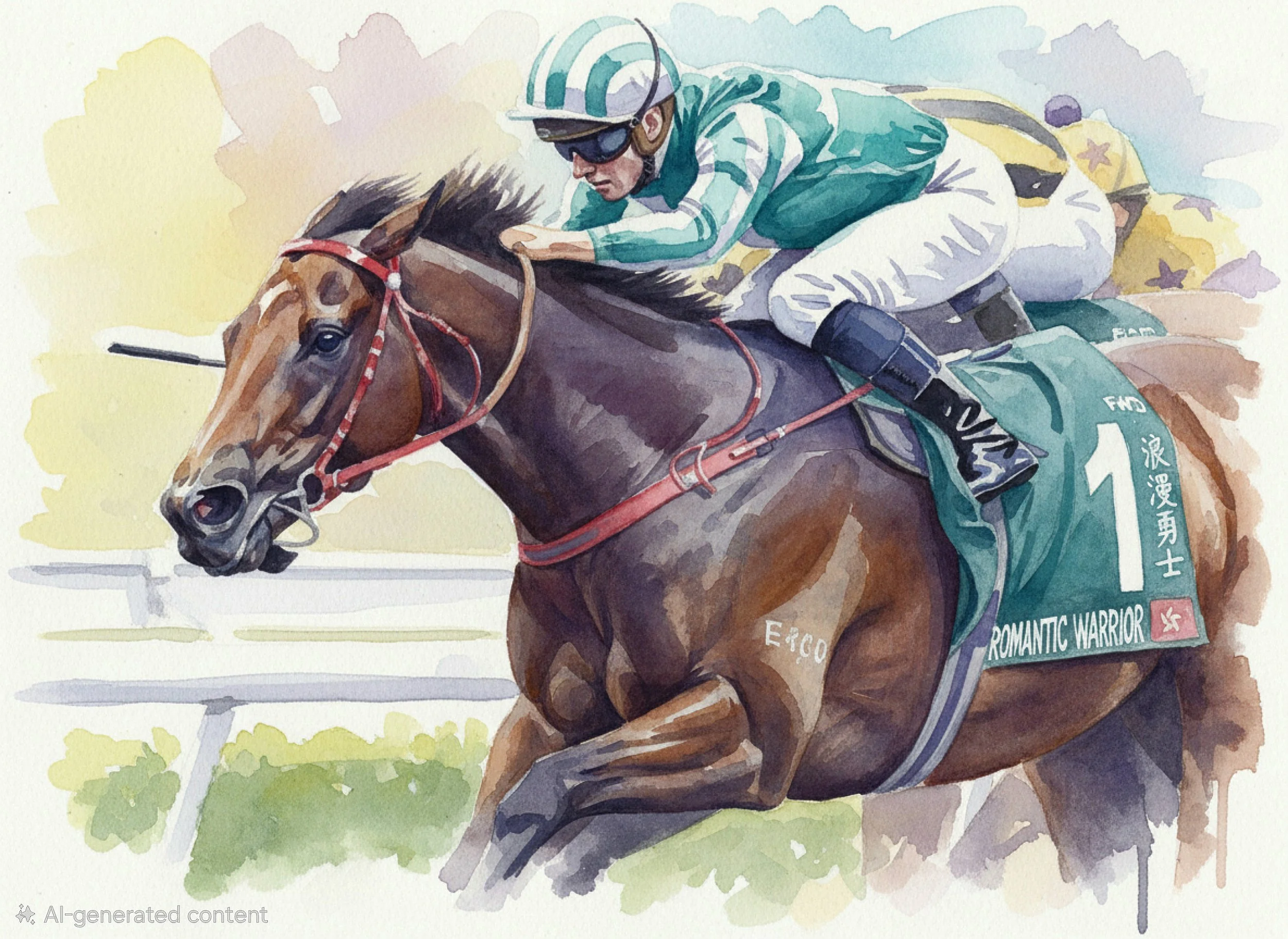
PETER LAU knew the most incredible journey didn't have long left to run. ROMANTIC WARRIOR has taken the veteran owner to heights he could not even have dreamed about as a young boy watching Happy Valley races on TV with his grandfather and his civil servant father. But the champion is rising nine years and after one of the greatest careers on the turf retirement was beckoning. Lau had hoped for an incredible fifth win for the Danny Shum-trained star in the G1 Hong Kong Cup in December, and then, perhaps, one final dance on the dirt, in the G1 Saudi Cup - the race that got away.
HKJC’s screening, using unspecified imaging equipment revealed a change in one of the horse’s joints that required further detailed assessment by the veterinary team. This followed the inserting of a screw in his near-fore fetlock in May 2025 - a procedure which enabled the horse to continue through an unbeaten Triple Crown-winning campaign last season.
Romantic Warrior was bred and raised at David and James Egan’s Corduff Stud in Ireland before Mick Kinane bought him on behalf of HKJC for resale at the Hong Kong International Sale, where Lau bought the ACCLAIMATION colt for HK$4.8 million (approx NZ$1 million). It was far and away the best purchase Lau has made as a racehorse owner: Romantic Warrior’s record of 24 wins from 31 races includes victory in the Hong Kong Derby, every Hong Kong owner’s holy grail, as well as those four Hong Kong Cups; his home record alone puts him in the ‘legend’ category. But then there are his three brilliant offshore wins - the G1 Cox Plate in Australia, G1 Yasuda Kinen in Japan, G1 Jebel Hatta in Dubai, plus his epic second in the Saudi Cup.
His hopes were tempered by realism when Romantic Warrior debuted from gate (12) under Joao Moreira as the second-favourite in a 1200m Class 4 handicap at Happy Valley in October of 2021. The gelding collected his winner’s share of the HK$1,040,000 purse that night, and those earnings have since swelled to HK$288,745,697. He is the highest earner, globally, in the sport’s history and the memories that have been formed through that journey are remarkable.
Lau singled out the Yasuda Kinen victory in Japan as his highlight, but they are only one of many for the great champion. The most dramatic win is certainly the Cox Plate because the roller coaster move from what looked like losing to winning within the twenty seconds of the photo finish, is just as dramatic as it can get.
And the most exciting one is the Jebel Hatta in Dubai. He came from ten lengths back and won by four lengths. That was exciting for Lau. The the most happy one is the Yasuda Kinen in Tokyo, when under heavy rain, they received thundering cheers from hundreds of Hong Kong fans and also tens of thousands of Japanese fans. But the win which they are most proud of is the Hong Kong Cup, the first time, against a very strong international field. ROMANTIC WARRIOR won by four lengths on his home Sha Tin course.
Romantic Warrior is almost nine years old now, so win or lose, he’s already in the history books. When we talk about legacy, Romantic Warrior has won races from 1200 metres to 2400 metres. He has won Group 1 races in four Group 1 jurisdictions; started winning when he was three and he did not stop winning until he was almost nine. And of course, the prize money legacy: his earnings are now US$37 million, that’s more than the Australian legend WINX. The great horse has already given him far more than the young boy in Causeway Bay could have imagined.
ROMANTIC WARRIOR
WELL WRITTEN
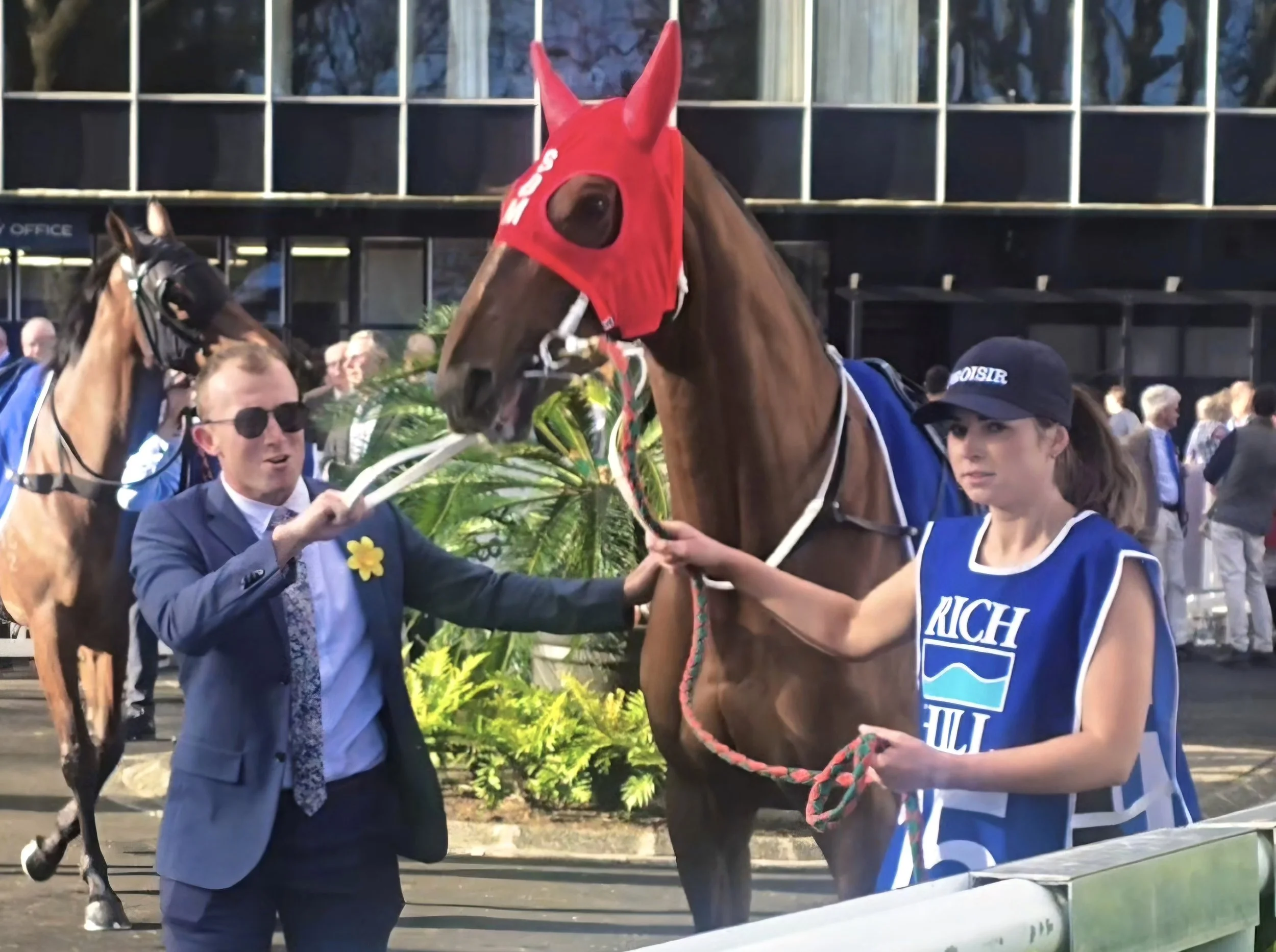
The Group 1 Proisir Plate lived up to expectations as the first Group 1 of the New Zealand racing season and the winner was never in doubt when the Kiwi wonder mare WELL WRITTEN shot away at the 150m and put the result to bed with her fine turn-of-foot. Matt Cartwright admitted he did go a bit earlier then he would of liked after enjoying the perfect trip, but when you're under a motor like that, the confidence must be high.
ALABAMA LASS was always going to be the horse to chase, and the Foxbridge winner did well to finish in 2nd place after trailing Well Written's imported stallion stablemate MEDIA WORLD, with another Marsh Racing mare in TARDELLI a futher length back to the turn. We thought all his stable runners would be prepped to perfection and apart from the Kelso horse Alabama Lass finishing runner-up by 1.8 lengths, Marsh would lock in 1st, 3rd and 4th places with his horses. Aside from Well Written, Media World and Tardelli are set to experience big campaigns and expect wins to eventually fall their way.
The Gr.1 Epsom Handicap (1600m) at Randwick on Saturday is now the major target for Well Written, followed three weeks later by the A$10 milliwon Gr.1 Golden Eagle (1500m) at the same venue. We will soon know her full potential up against the best Australia has to offer, but she is a special horse and one of the best young gallopers seen in New Zealand in a number of years. Marsh Racing will have her close to absolute peak and we expect the mare to deliver a mighty performance
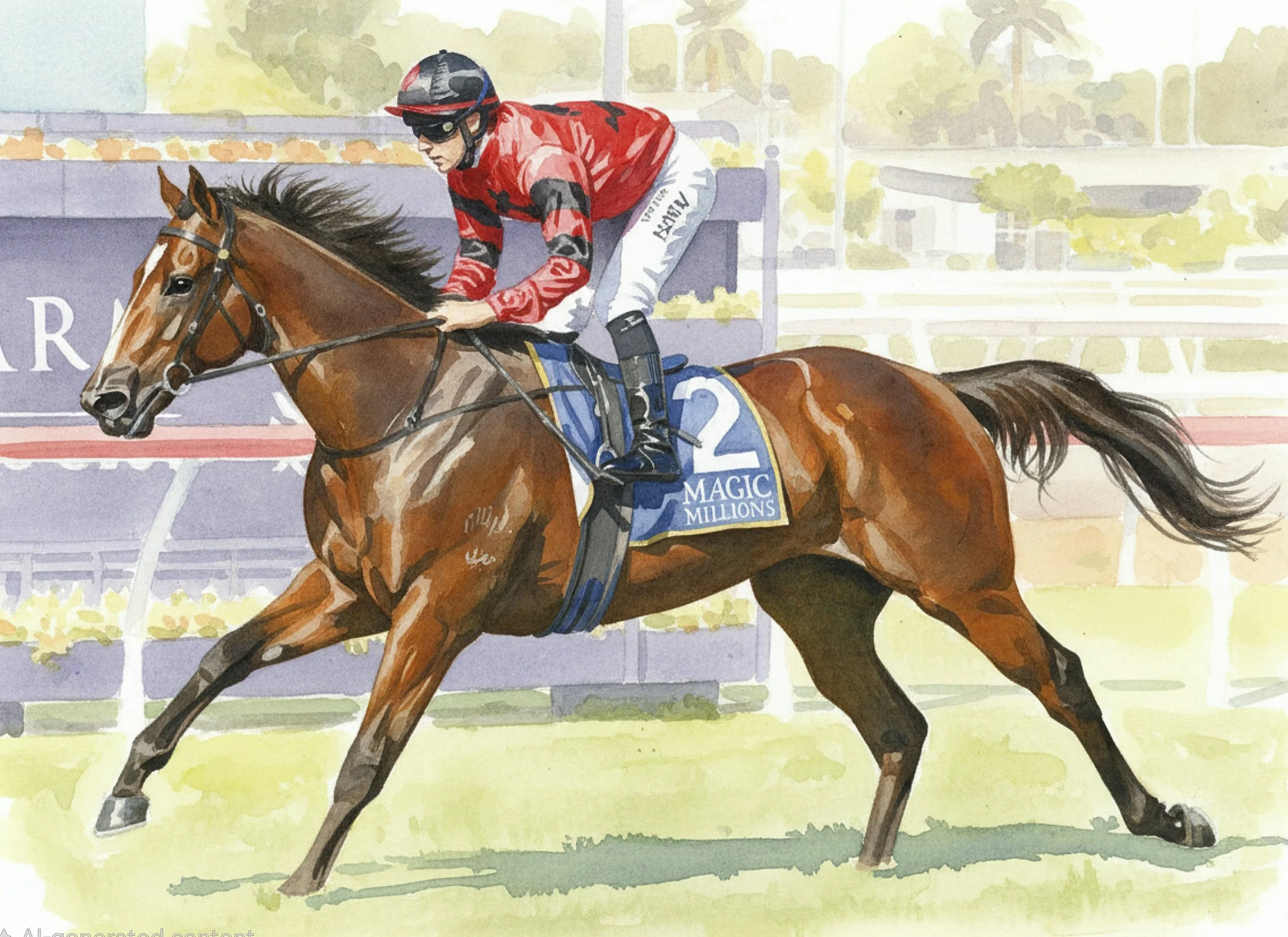
The world's best horse KA YING RISING returned to racing at Sha Tin in September as Ben Willis from MyRacehorse and trainer Michael Freedman declared NINJA as the first slot horse named for the richest of all spring races, The Everest in October. Ninja made an irresistible case for The Everest slot-holders when scoring an emphatic return win in the Gr.2 Missile Stakes at Royal Randwick in August. It will be Freedman's first runner in the race and comes alongside longtime supporter John Camilleri through his Fairway Thoroughbreds brand.
AUSTAB rate Ninja as a $15 chance to win The Everest with the gelding now a chance of chasing Sydney's richest $30m double as a four-year-old with eligibility for the $10m Golden Eagle (1500m). The slot news came just 24 hours before The Everest favourite Ka Ying Rising was due to make his return to the track in Hong Kong.
And what a return it was for KA YING RISING, blowing away the opposition with a stunning display of speed and power, breaking the Sha Tin 1200m track record by almost a full second to record his 21st consecutive victory. Jockey Zac Purton gave an ominous warning to those with hopes of beating Ka Ying Rising in The Everest in six weeks.
"He’s got improvement, there’s no doubt about that so that’s why I gave him a bit of a push to give him that blow,” Purton said.
David Hayes super sprinter recorded a remarkable time of 1:06.11, surpassing his previous record, and stated that it was one of the most exceptional performances he had observed from the six-year-old, which undoubtedly concerns the Australian contenders.
Ka Ying Rising had been under some veterinary scrutiny in the lead-up to the race after sustaining minor bruising to a hoof. The David Hayes-trained superstar would go immediately into quarantine after the race to prepare for his trip to Australia to defend his Everest title. As per last year, he is likely to trial at Randwick about 10 days out from the $20 million race - the richest sprint on turf.
As well as being the world’s current fastest horse, Ka Ying Rising also currently co-holds the title of leading racehorse in the world at a rating of 131 alongside Royal Ascot’s Group 1 Prince Of Wales Stakes winner OMBUDSMAN.
MYRACEHORSE EVEREST
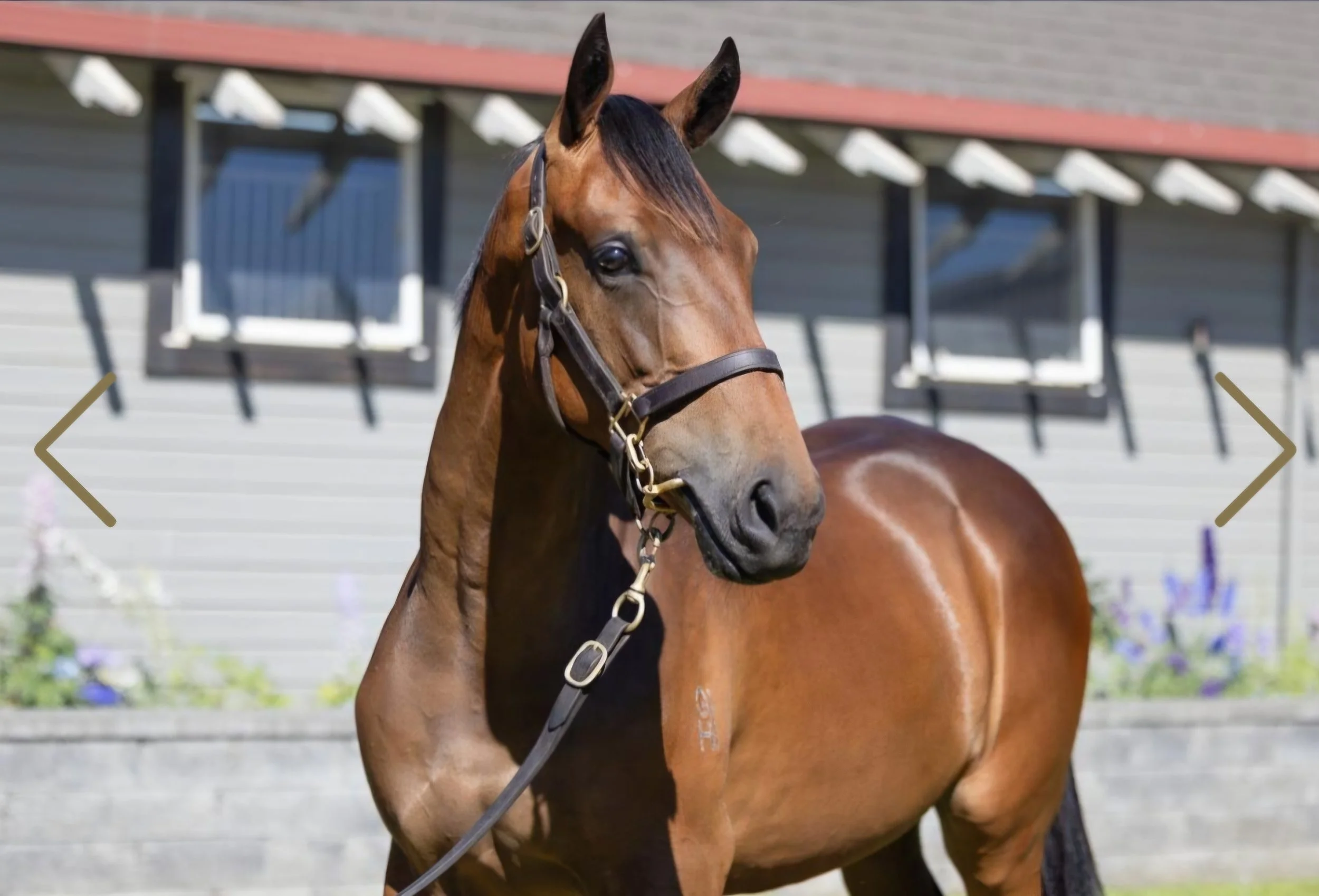
BREAK THE NEWS
Shaun and Emma Clotworthy appear to have another promising Derby contender in BREAK THE NEWS, who exhibits characteristics similar to their 2025 NZ Derby winner, WILLYDOIT, as both horses share the same sire. In similar circumstances, MyRacehorse promptly acquired a large share of the three-year-old son of TARZINO following his impressive trial victory at Avondale. The gelding is out of the HIGH CHAPARRAL mare MADE THE NEWS, who secured one win and two placings from five starts in Melbourne; notably, his ZABEEL lineage positions him as an ideal candidate for endurance at this developmental stage.
Following a sluggish start in the July 1000m trial, the gelding demonstrated significant improvement upon rounding the turn, accelerating with a powerful surge to surpass his competitors with ease. If that's anything to go on then we should see positive improvement as the team develop his ringcraft over the next month. Purchased for $40,000 at Karaka, the husband-and-wife training team will adopt the same Derby campaign strategy previously utilised for WILLYDOIT, who has returned to New Zealand following an unsuccessful stint in Australia and a corrective airway procedure.
Following a few additional trials, the gelding is expected to make his debut in November, with a potential progression toward the Avondale Guineas following several mile races, ultimately aiming for the Group 1 New Zealand Derby at Ellerslie on Champions Day in early March.
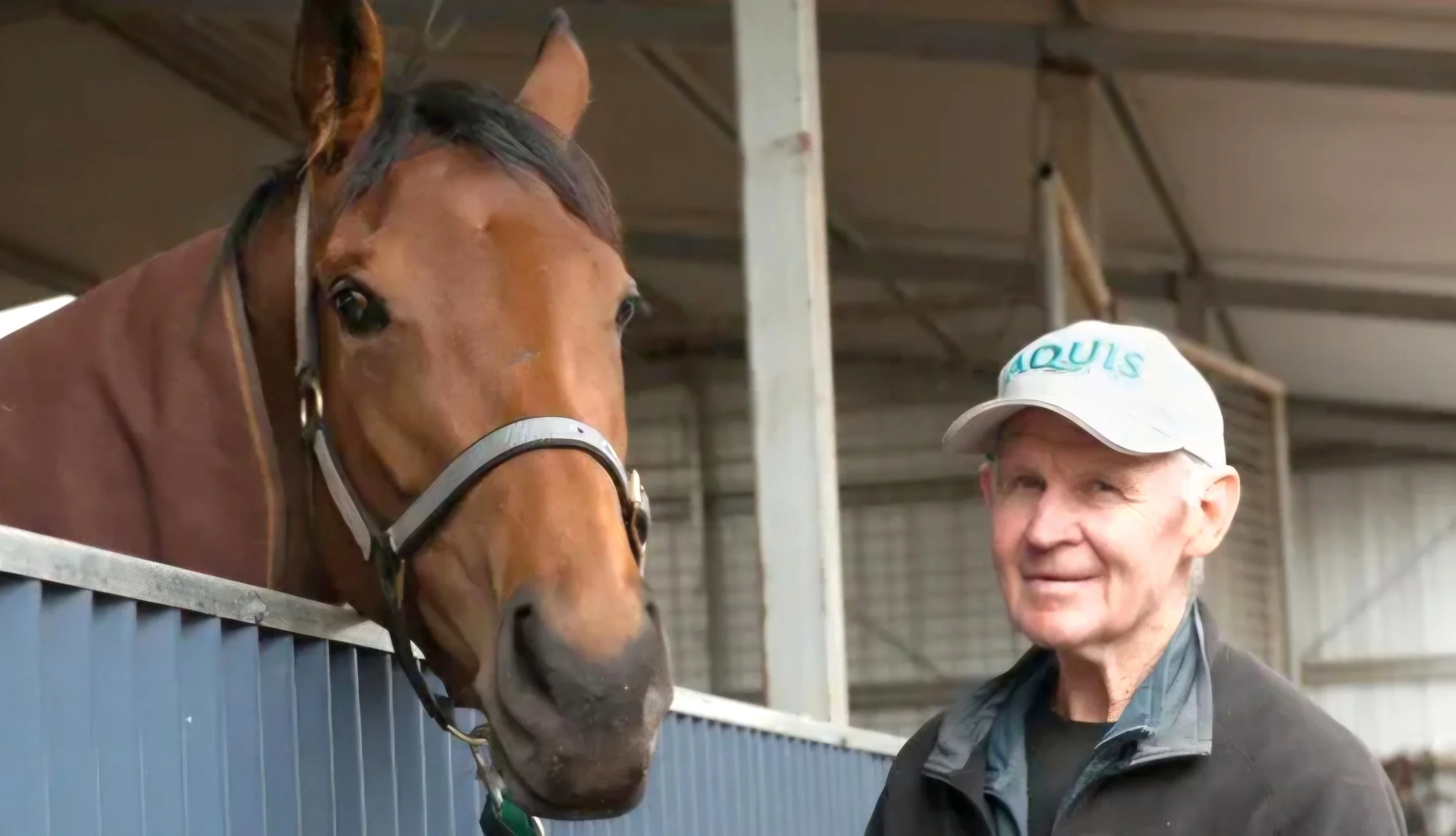
VALE PATRICK PAYNE
We were saddened to learn of the passing of legendary Ballarat horseman, Paddy Payne Snr, this past September at the age of 90. As the patriarch of the Payne family, he was instrumental in establishing their name as one of the most distinguished legacies in Australian racing. Paddy and his late wife, Mary Payne, raised ten children who subsequently followed in their father’s footsteps, each making significant contributions to the thoroughbred racing industry.
Paddy was raised in the small town of Hawera, South Taranaki, New Zealand, where his formative experiences shaped his approach to the acquisition and conditioning of racehorses. He secured a career-defining horse in the late 1970s by purchasing OUR PADDY BOY for $1,300, subsequently training the horse while balancing his dual responsibilities as a dairy farmer and racehorse trainer.
Our Paddy Boy was trained by Payne at the family dairy farm, where he achieved notable early success, most notably winning the 1980 Group 1 Ellerslie Sires' Produce Stakes (1400m).
Subsequently, the Payne family sold Our Paddy Boy to Robert Sangster for a record-breaking $300,000, a transaction that facilitated the family's relocation to Australia in the early 1980s and the establishment of their residence and stables in Miners Rest, near Ballarat.
During his time in Australia, Paddy maintained a boutique horse training operation, earning industry respect through the consistent performance of a modest stable primarily composed of affordable, seasoned thoroughbreds.
Following the tragic passing of his wife, Mary, in a 1986 automobile accident, Paddy assumed full responsibility for raising their children, eight of whom subsequently established careers as professional jockeys. Their son, Patrick, has achieved significant professional distinction, securing Group 1 victories both as a jockey - notably winning the 2002 Cox Plate (2040m) aboard the great NORTHERLY and, more recently, as a trainer.
Renowned jockey Michelle Payne achieved multiple Group 1 victories, most notably her historic 2015 Melbourne Cup win aboard PRINCE OF PENZANCE, where she became the first female rider to claim the prestigious title and her tough, tenacious spirit was indicative of the families determination.
Paddy continued to live at the family’s Miners Rest home until his passing and saddled his final runner, NIP, on 6 March 2026 at Kilmore, remarkably just 10 days shy of his 90th birthday. He trained his last winner at the age of 88 when ROSALIA posted her sixth win for Paddy, saluting on her home track at Ballarat in August 2024.
Paddy will be remembered as a great horseman and a loving father. His positive influence on female jockey participation cannot be undersold, having encouraged his daughters to ride at a time when female jockeys were fighting for acceptance. Paddy was a respected horseman who held a trainer’s license in Victoria for over 40 years after initially enjoying success in New Zealand. He was a hard worker who loved working with horses. The Payne family has a long and proud connection with racing in Ballarat, and Paddy was held in enormous regard by so many within the local racing community.
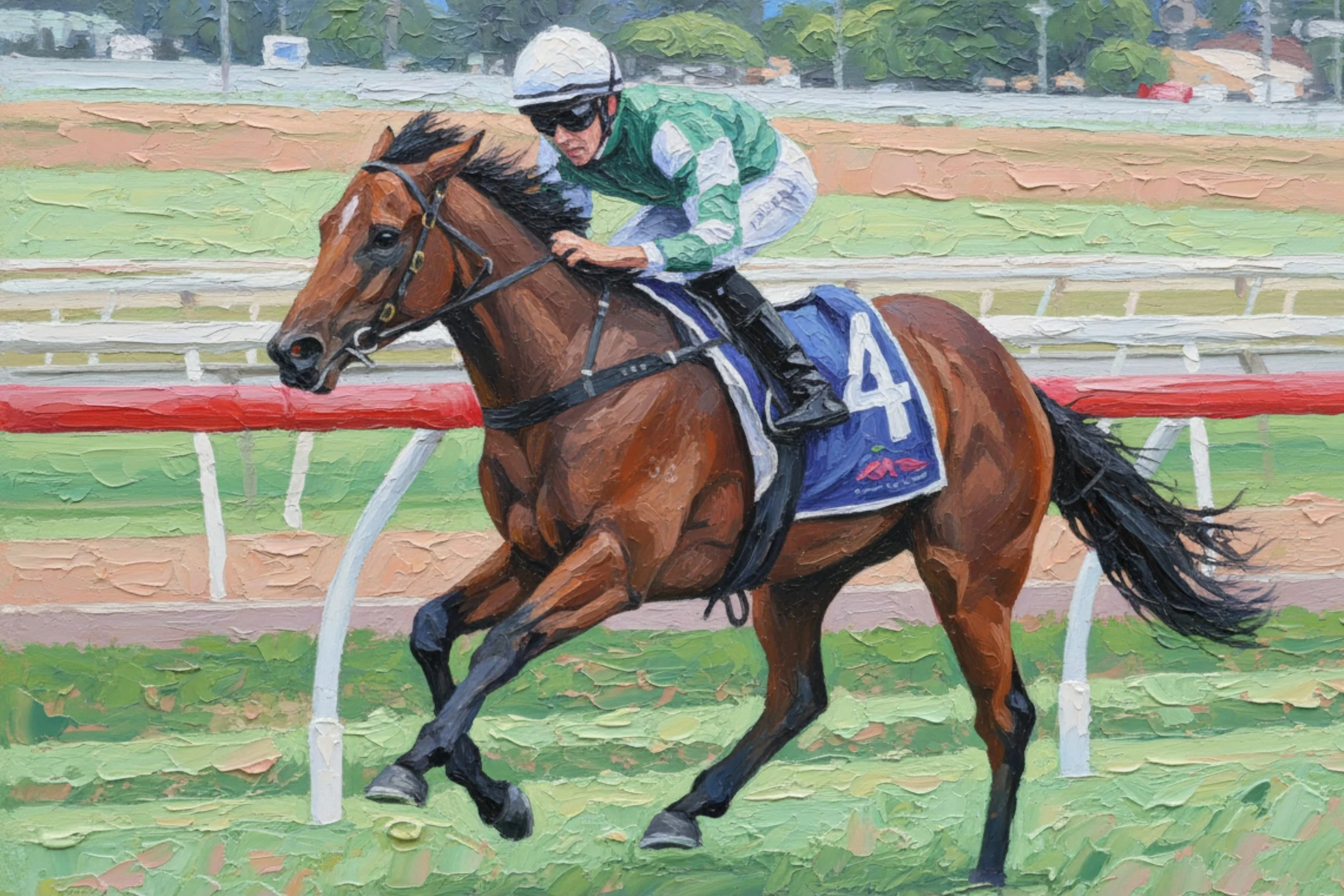
Chris Waller decided the time was right to retire the brilliant racemare FANGIRL, who enjoyed a glorious career at the highest level - once rated the best horse in the world at 1600m. Her fresh up record was outstanding, highlighted by wins in the 2024 and 2025 Apollo Stakes and 2023 Winx Stakes. Along the way the SEBRING mare was names NSW Champion horse of the year in 2024 and earned an incredible A$10,764,765 in a 42-start career.
The wonderful little mare would also place multiple times at the highest level in some of the biggest races in New South Wales, won the G1 Vinery Stud Stakes at Newcastle, finish 2nd in a Golden Eagle, Chipping Norton, George Ryder and Verry Elleegant and even have a crack at the Cox Plate in 2023.
As a more mature mare, FANGIRL would win the 7 Stakes at Randwick and 3rd in the Cantala Stakes at Flemington before claiming her second Apollo before her last great victory in the Gr.1 Queen of the Turf Stakes in April 2025. The mare would win another & Stakes and run 3rd in the Kingsford Smith Cup at Eagle Farm before bowing out with a brave 3rd in the Gr.2 Chelmsford on her favoured Randwick course.
What many will remember are the stunning, bright pink silks sitting at the rear before she would turn on the afterburners and deliver a blistering sprint to eat up ground late. You were never sure if she was going quick enough to get there but was always an exciting watch and she will go down as one of Waller’s best ever.
LEICA LUCY
Last month we also saw the retirement of Group 1 winner LEICA LUCY, who enjoyed a majestic three-year-old season in New Zealand, claiming six from seven victories for trainer Robbie Patterson before flying our shores. She was the dominant force of her age group.
The DERRYN filly was initially bred and owned by Taranaki couple Peter and Heather Crofskey who were fortunate to experience the ride of a lifetime with the horse. She would go on to win the Gr.1 NZ Oaks, Gr.2 Lowland Stakes, Gr.3 Eulogy Stakes and Gr.3 Desert Gold Stakes before the Crofskey’s sold a share to Ozzie Kheir and she was transferred to Chris Waller in Sydney. LEICA LUCY would have four unplaced runs in Australia before a bone chip was discovered in her fetlock.
Sadly, an operation the remove the chip was unsuccessful and after a couple of poor trials the decision was made to finish her career while still in reasonable health as a young mare. The Crofskey’s sold the remainder of their share to Ozzie and they will breed from the mare in Australia, with possibly a match to sire HOME AFFAIRS in the near future.
FANGIRL - LEICA LUCY
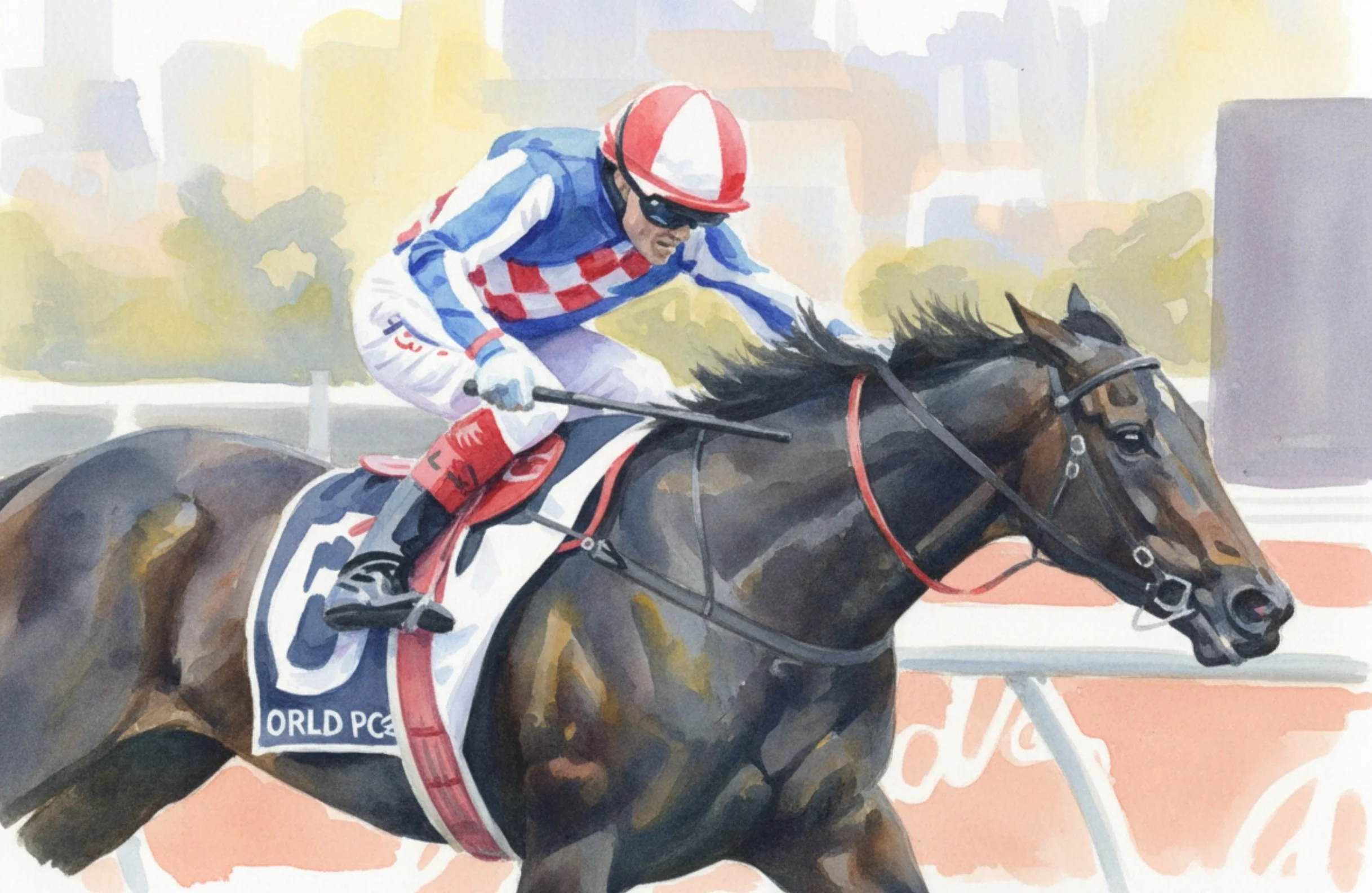
BELLE CHEVAL RETIRED
BELLE CHEVAL only raced six times before injury curtailed her career and although it is a tragedy for Te Akau to see it end this way, the SAVABEEL mare left an imprint on the racing scene in both New Zealand and Australia. As a three-year-old filly she ran 3rd on debut at Taupo before a game win at Ellersle over 1400m, we were there to witness the victory and were left suitably impressed.
The only problem for here on in was running into a horse called WELL WRITTEN, who would stop the filly on becoming a star during the 2025/26 season, but she did herself proud, firstly finishing 3rd to Well Written and Lolapalooza in the Gr.1 NZ 1000 Guineas before a short spell.
Resuming in January, BELLE CHEVAL would deliver a brilliant performance to claim the Gr.3 Almanzor Trophy (1200m) on Karaka Millions night and then came wider from the turn to win the Gr.3 Uncle Remus Stakes (1400m) at Ellerslie which set her up nicely for a dual with Well Written in the NZB Kiwi ((1500m), the richest race on turf for 3YOs in Australasia.
She possibly would have defeated the star filly if not shifting inwards under pressure and needing to be straightened just short of the line by Mick Dee and only going down by a short nose, the margin reading .0 of a length at the line.
Mark Walker would then take over BELLE CHEVAL in Australia, where the filly would attempt to win the Gr.1 Vinery Stud Stakes (2000m), with the extra distance seemingly right up her alley as a strong finisher. Settling third on the fence, she shifted out abruptly at the 200m but got going again and held on to the line.
Bred and co-owned by David Archer, she will probably enjoy a long career in the breeding barn as a broodmare and her offspring are sure to fetch a pretty penny due to her Group 1 status and incredible ability - but the one race she will always be remembered for in New Zealand, was the day the filly almost pulled of an amazing upset at Ellerslie against a champion.